What is the DTV?
The Destination Thailand Visa (DTV) is Thailand's official long-stay visa for remote workers, freelancers, and digital nomads. It was launched in 2024 and replaced the informal "visa run" cycle that nomads had relied on for years.
The DTV lets you live in Thailand for up to 180 days per entry, with a total validity of 5 years. You can re-enter multiple times within that window.
Who qualifies?
You qualify if you meet at least one of these:
- You work remotely for a company outside Thailand
- You are a freelancer with clients outside Thailand
- You are a digital content creator with an online income
- You are enrolled in a course at a Thai institution (soft qualification)
Thailand does not require you to earn above a specific income threshold for the DTV, unlike some other digital nomad visas. A bank statement showing financial stability is sufficient.
Cost and fees
DTV application fee: 10,000 THB (approximately $275 USD) per application.
This covers: - Initial 180-day stay - Multiple re-entries over 5 years - One extension of 180 days possible inside Thailand at your local immigration office (fee: 1,900 THB)
There are no annual renewal fees. The 5-year validity is the full window.
Required documents
Standard document checklist:
- Valid passport (minimum 18 months remaining validity)
- Completed DTV application form (available at Thai consulates)
- Passport-sized photo (4×6 cm, white background)
- Proof of remote work or freelance income — any of:
- - Employment letter from your company confirming remote work
- - Freelance contracts with clients
- - Bank statements (last 3–6 months)
- - Screenshots of your online income platform (Upwork, Toptal, etc.)
- Proof of accommodation in Thailand — booking or rental agreement
- Travel insurance with minimum $50,000 coverage valid for Thailand
- Round-trip or onward flight ticket (or a letter explaining you travel flexibly)
Some consulates ask for additional documents. Always check the specific requirements of the Thai consulate in your country before applying.
Where to apply
Apply at a Thai consulate or embassy in your home country before traveling.
You cannot apply for the DTV on arrival or convert a tourist visa to a DTV inside Thailand. You must apply from outside the country.
Popular application points for digital nomads: - Penang, Malaysia — fast processing, popular among nomads in SEA already - Kuala Lumpur, Malaysia — straightforward, results in 3–5 days - Singapore — efficient but slightly more documentation required - European consulates — 5–10 business days typical
Processing time: 3 to 10 business days depending on location.
How long can you stay?
Each entry: 180 days.
After 180 days you must exit Thailand (a quick border run to Malaysia, Cambodia, or Laos works). You can then re-enter and receive another 180-day stay. This resets with each entry.
You can also extend your stay without leaving: go to your local Immigration Office inside Thailand and pay 1,900 THB for an extension of up to 180 additional days.
The total DTV is valid for 5 years from the date of issue. After 5 years, you apply again.
Tax situation
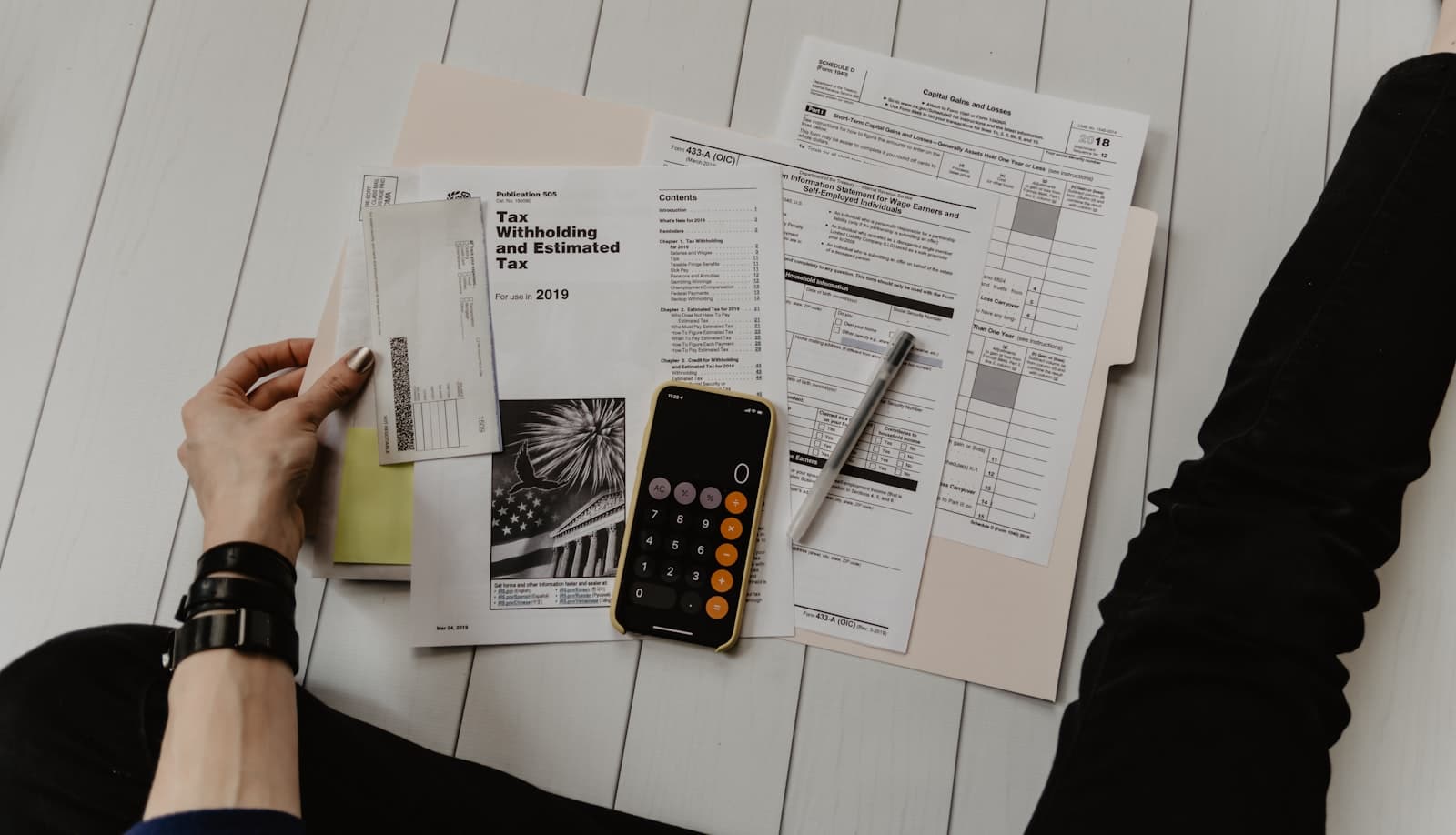
Important: staying in Thailand for more than 180 days in a calendar year makes you a Thai tax resident.
As of 2024, Thailand updated its tax rules. Foreign-sourced income brought into Thailand may be subject to Thai income tax if you are a tax resident. The rate is 5–35% depending on income.
This applies to income transferred into Thai bank accounts or used to purchase goods and services in Thailand.
If you earn and spend outside Thailand, the rules are less clear. Consult a tax professional if you plan to spend more than 180 days per year and bring income into the country.
Practical tips from the community
— Penang is the most popular DTV run for nomads already in SEA. The Thai consulate there is experienced with DTV applications and processes them quickly.
— Bring physical copies of all documents. Some consulates do not accept digital copies.
— Travel insurance must show Thailand explicitly in the coverage area. Generic "worldwide" policies have been rejected at some consulates.
— Get more bank statement months than required. If you show 6 months when 3 are asked, you reduce the chance of requests for additional documents.
— Book a real hotel for your initial stay. Short-term Airbnb bookings have worked, but a hotel confirmation letter is cleaner.